
|
Eager Space | Videos by Alpha | Videos by Date | All Video Text | Support | Community | About |
|---|


Welcome to eager space. Today we'll be discussing when space dreams collide with space reality....
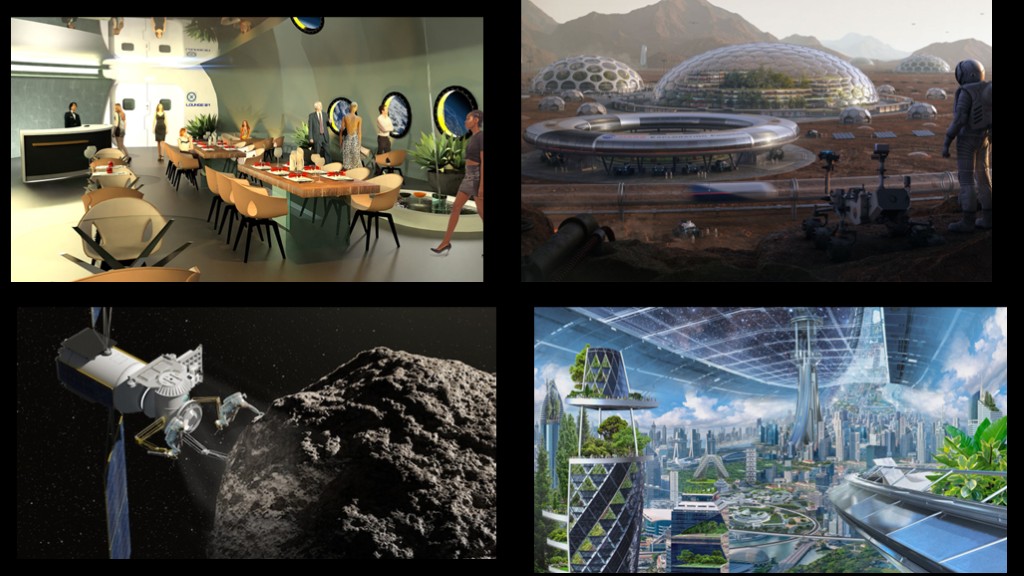
There are many space dreams out there. Orbital hotels. Space mining. Huge habitats. Colonies on the moon, or mars.
Dreams are great. But many times the dreamers miss the cold reality.

(Surround with project pictures)
Somebody has to pay for the cool things that we want.
Here are some answers I have heard to that question...
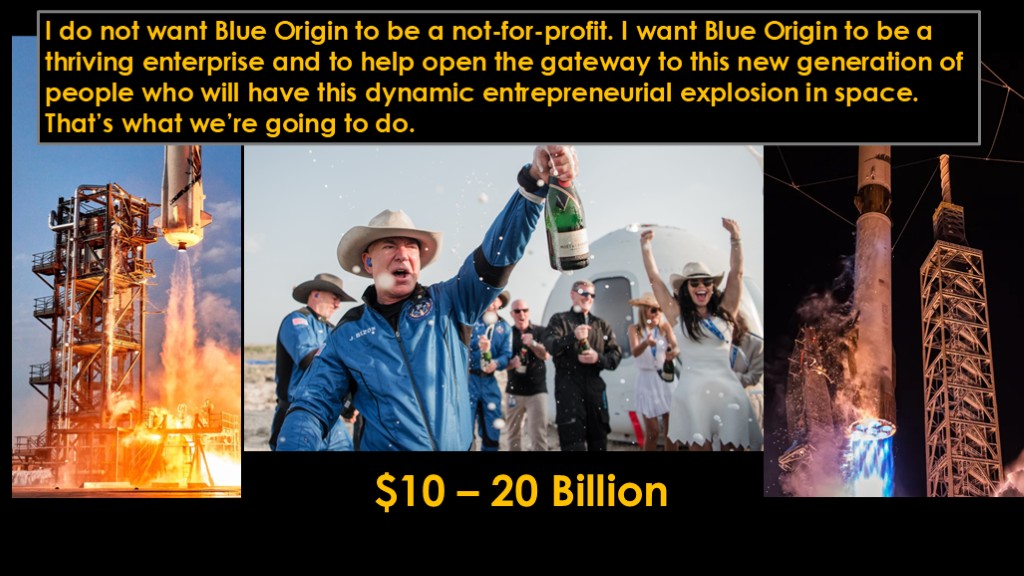
Jeff will pay...
Jeff Bezos clearly loves space.
But the estimates are that he has invested $10 to $20 billion in Blue Origin, which would be roughly 5-10% of his total fortune.
Blue Origin has a successful crewed suborbital rocket and a big orbital rocket that has flown once.
Bezos may choose to spend most of his fortune on space, but the cost of the big projects he wants to do will exceed even his fortune.
Bezos has said the following about the long term future of Blue Origin.
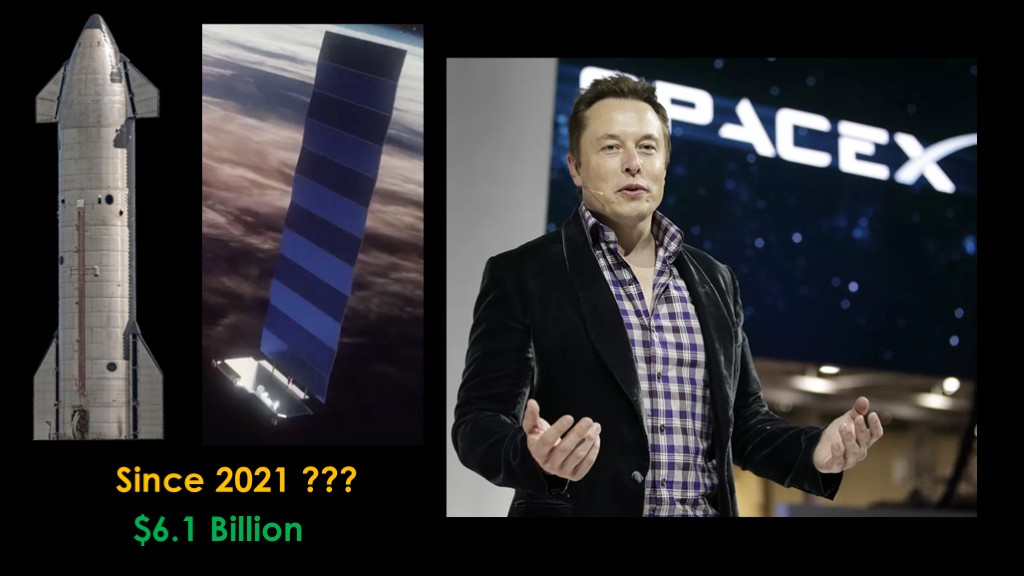
Maybe Elon will pay...
Elon does have a huge fortune, but he didn't make that fortune by just spending his own money. He made his fortune by building products that people are willing to pay for.
And while SpaceX has put an undisclosed amount of corporate money in Starship and Starlink, we do know the amounts of the funds they have raised from outside investors.
Any guesses on the amount since 2021?
From 2021 through 2023, they raised $6.1 Billion in outside investment. They have raised this much money because they have product plans that investors are willing to invest in.
Elon may intend to spend the bulk of his money on mars, but his vision for Mars only works if there is an economy that supports it.
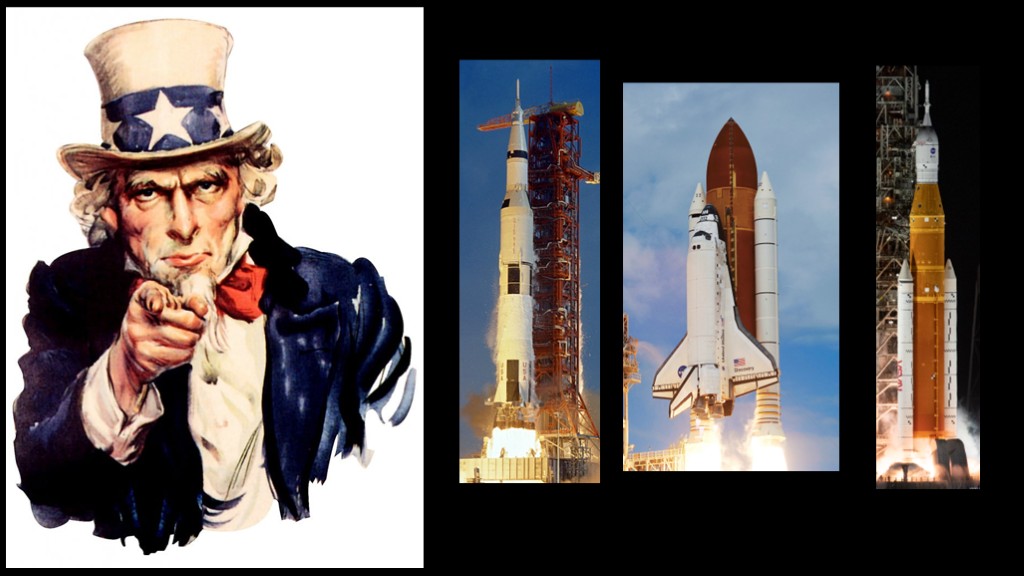
Maybe your uncle Sam would pay to do it.
That worked for Apollo and Shuttle.
But SLS uses the same model and it's generally the existing companies that are very good at lobbying congress that get their stuff built, not the people with the interesting new ideas.

That means that you are going to need to handle running the project yourself, and that means finding a source of funds.
Which generally means getting money from a venture capital fund.
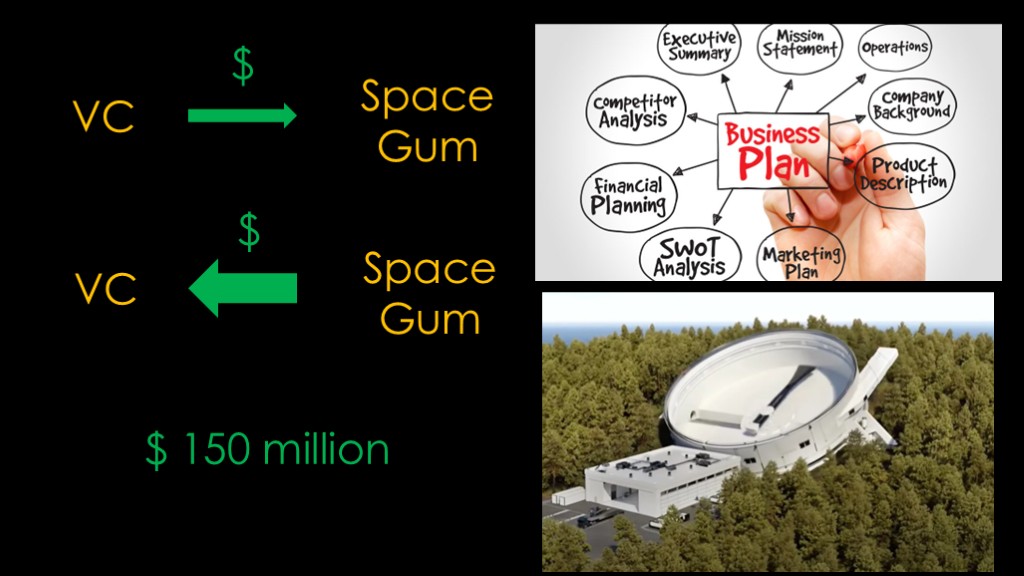
Your idea is to make chewing gum in space ("Spaaaaace Gummmmmm") and sell it on earth.
A VC will give you money to develop the ability to make chewing gum in space, with the agreement that you will build a company that will make them much much more money in the near future (usually 5 years or so).
For them to give you the money, you will need to provide a business plan that they can evaluate to understand your plan to make the best space gum company the world has ever seen.
Incidentally, the VC company makes a fair bit of money as management fees on their fund regardless whether the outcome is good or not, and a *lot* of money if the outcome is great. Sometimes this sets up incentives that may not be great for the actual investors.
An obvious example is that VC firms raised $150 million for spinlaunch.
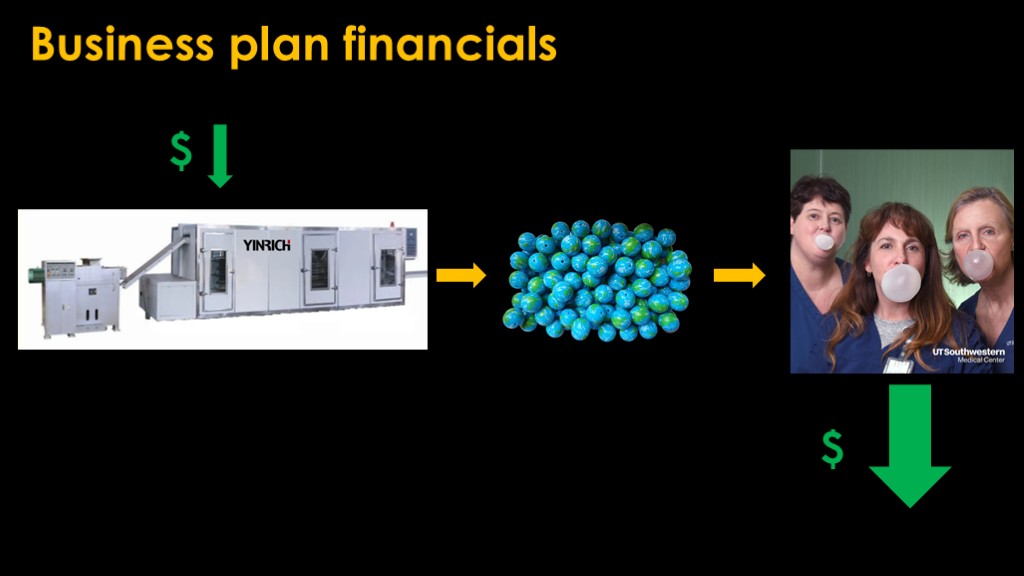
There are many things that go into a good business plan, but every business plan has information on financials.
We will use the investors money to adapt gum making machines to work in zero gravity. We will then make large amounts of space gum, and sell it to gum afficianados throughout the world, generating large amounts of money.
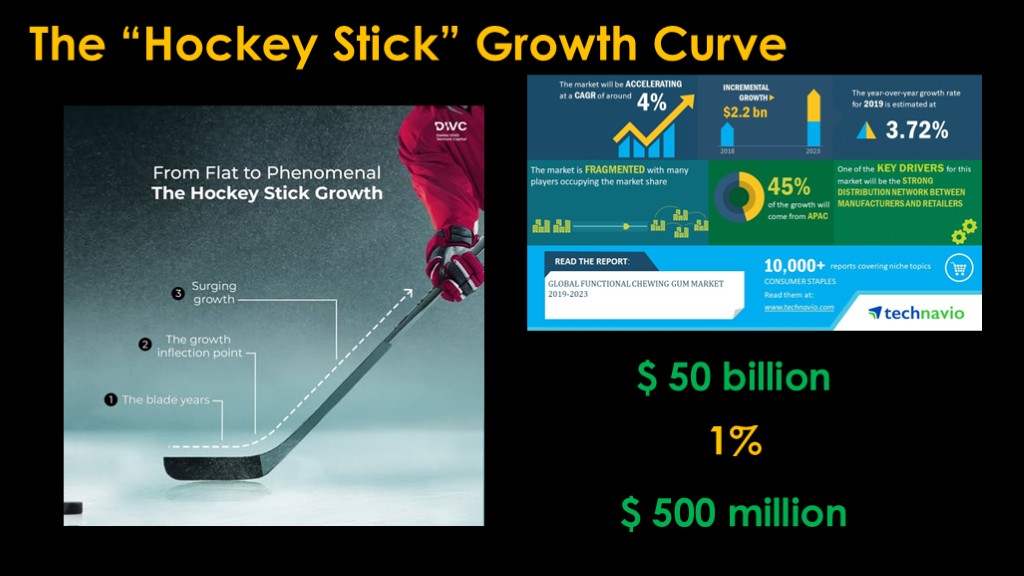
The VC is looking for investments that can generate a hockey stick growth curve - one that shows surging growth after a few years.
Not surprisingly, if you look at startup business plans, they typically project this kind of growth curve. What can we expect from our business?
The global chewing gum market is roughly $50 billion per year according to the highest estimate I found.
If we can garner just 1% of that market, that would be $500 million per year. That looks like hockey stick growth to me.
Now we can put some real numbers in our financials...
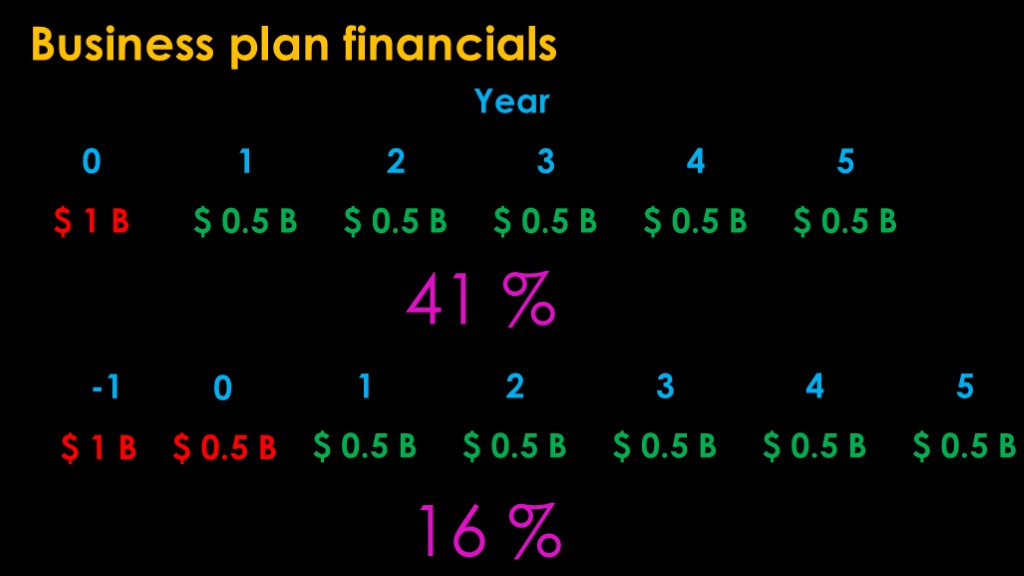
Let's just say that we expect to spend $1 billion to get our space gum factory up and running and it will only take a year.
And the next 5 years we will generate half a billion dollars every year, through the miracle of hockey stick growth.
We can do some financial analysis - I used Excel and the internal rate of return function. That will give us an internal rate of return of 41%.
If we keep our cash in a brokerage cash fund, we can get 4%, and here we get 10 times that return. This looks great.
But the thing to remember is that the acceptable return rate needs to account for the risk of the project. This project is far more risky than a cash fund.
As an example of the risk, let's assume that it takes us an extra year and half a billion dollars more to get our space gum factory up and running. That doesn't seem like too big of an issue - there are few companies in the space industry that complete their projects on budget and on time.
That can't have much of an effect, right? It's only a year and a 50% cost overrun.
The delay and cost increase reduces our rate of return down to 16%. There are quite a few projects out there that will give you 16% with less risk.
This introduces a bias against new and innovative projects. They might be successful, but extra costs and years means a smaller rate of return and increases the chances that Galactic Gum will corner the market.
Some of you have probably noticed that I forgot to include operational costs in my model, but we are doing a model for venture capital and we therefore don't need it to be actually realistic.
I really need to do a video on how venture capital firms operate...
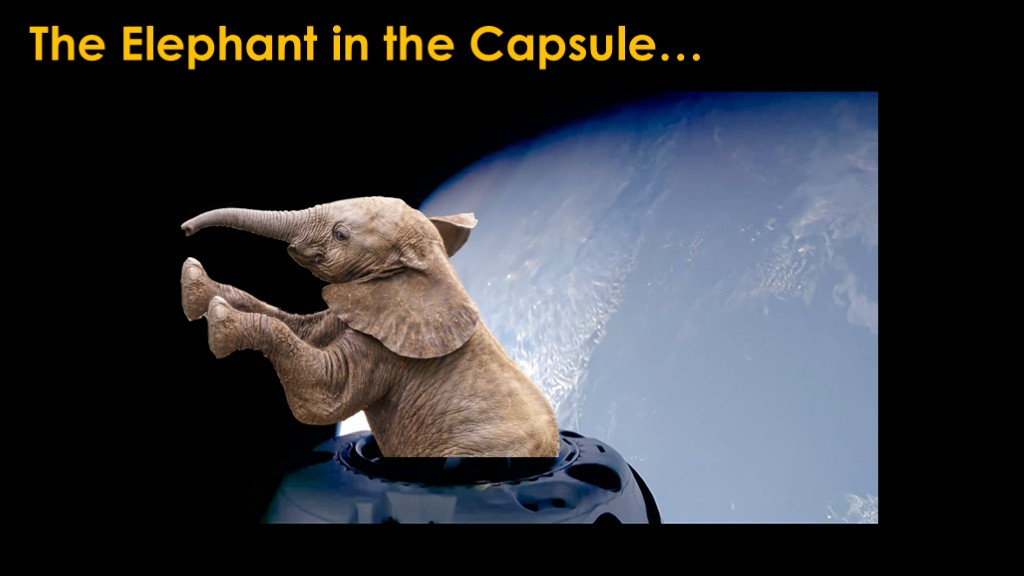
This is the elephant in the capsule.
For a company to want to do something in space, there has to be a scenario where they will earn back the money they put into the project and it generally needs to be a significant return or it's not worth the risk.
You want to build a space hotel or a commercial space station, but you can only get money to do the program if you have assured demand.
If you build it and they don't come, you go out of business, and you do it quickly. It's a great way to lose a billion dollars.

This is where your space dreams collide with reality.
The way we get cool stuff happening in space is by companies doing things that make them money.
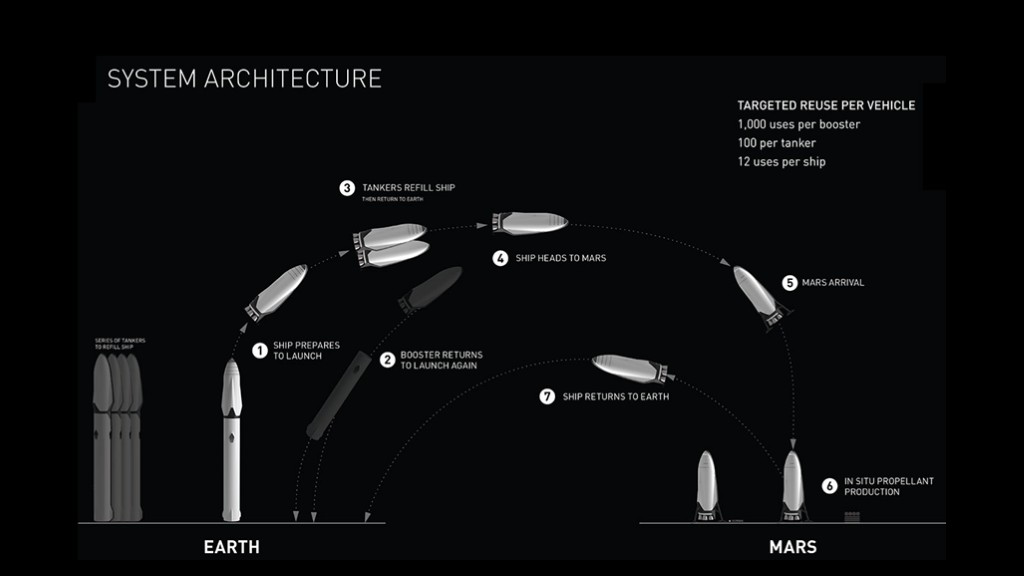
Let's look at a more concrete example.
Elon Musk had a vision to build an interplanetary transport system to take people to Mars to set up a colony.
He also had a big problem.
The problem was that this was at least as hard as the Apollo program, and while SpaceX was doing okay with Falcon 9, they did not have $10 billion to develop this new transport system, much less the money to operate it.
And nobody was interested in lending the money to SpaceX because it was very speculative and you could not build a compelling business model for it.
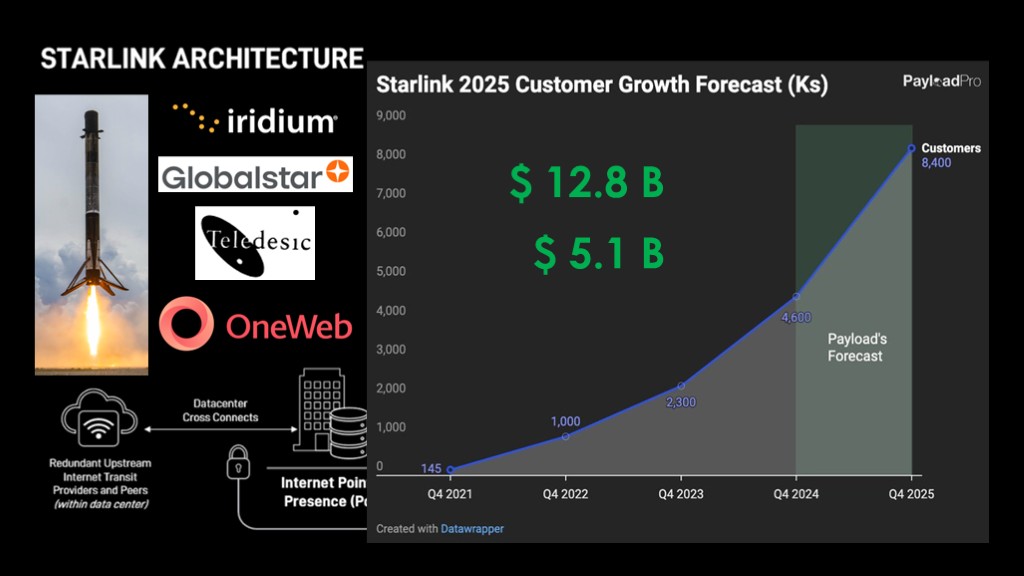
The solution was a grand plan to put thousands of satellites in low earth orbit and use them to provide internet across the globe.
This was also a very ambitious idea, but we know that satellite communication is a very big industry and it's possible to build decent models that tell you how much a system would cost to deploy and how much money it might generate.
There were obvious risks, but spacex was uniquely equipped to do it.
They had a reusable rocket so their launch costs would be lower than any possible competitor and all they needed to build was second stages.
This idea had been tried and had failed. In fact, it had failed *four times* - Iridium, Globalstar, Teledesic, and OneWeb all ended up filing for bankruptcy.
You might view that as a risk - and it is - but there are two big benefits.
Four other companies thought this was a worthwhile thing to build, and you can study what those companies did and not repeat their mistakes.
Those bankruptcies also meant that nobody else in the industry was going to touch doing this, especially with the thousands of satellites SpaceX was proposing. If you can get it up and running, you have a decent chance to steal a whole market.
And after a few short years, it is projected that Starlink will reach 8.4 million users by the end of 2025 and starlink will bring in $12.8 Billion. The projected revenue from launch services is $5.1 billion, so SpaceX has very quickly transformed from a space launch company to a telecommunications company that also has rockets.
Starlink is what made Starship possible - it "closed the business case". And that is why the investors were willing to put all that money into SpaceX.
There has to be a business case to make it interesting to investors.

Which brings up a bit of a chicken and egg situation. It's very hard to project how big a market will be for a product or service before it is available, but you want market forecasts before you go forward.
We end up with a lot of "if you build it they will come" projects. It worked to bring the ghosts of baseball players to a repurposed corn field, but it's not really a valid business strategy.
If only there was an organization somewhere that was charged with fostering the commercialization of space...
That organization is obviously NASA...
Can NASA help foster small companies to create new markets? I think the answer is that it could, but it would need to do appropriate things.
Let's look at the two programs that are most talked about.
When the decision was made to retire shuttle, NASA needed an alternative for cargo, and they spun up the COTS program to develop commercial cargo resupply for the ISS.
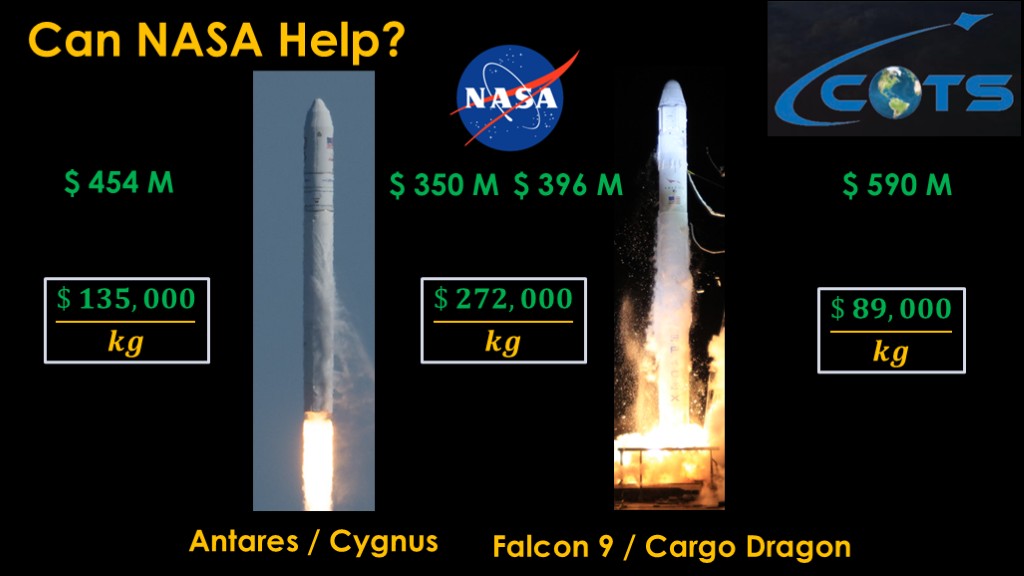
That program produced two successful vehicles - the Cygnus resupply vehicle launched on Antares and the Cargo Dragon launched on Falcon 9. That's a great result, and a good indication that this is the kind of program that NASA should be doing - one that is difficult but not too difficult.
NASA put in quite a bit of money into these programs, but the companies put in more - 56% of the total cost for Antares/Cygnus and 60% for Falcon 9 / cargo dragon.
In the end, that resulted in a cargo cost of $135,000 per kilogram of payload for Cygnus missions and $89,000 per kilogram for Cargo dragon missions.
This was a lot cheaper than shuttle at $272,000 per kilogram, and that's one of the reasons NASA points to commercial cargo as such a success. They put in about $800 million and got two providers who could replace the service that shuttle provided and cargo deliver costs that were 30-50% of the cost of shuttle. NASA calculated that Falcon 9 would have cost NASA about $4 billion to develop, or roughly 4 times what it cost SpaceX.
But it's not the example that they think it is.
*****
If we look at the commercial resupply program, we see that NASA provided roughly half of the development cost for Falcon 9 and Dragon. That certainly was useful to SpaceX.
And NASA ended up with resupply that is much cheaper than shuttle was. Not cheap cheap, but cheaper.
And the space world obviously got the Falcon 9 out of it.
But from a market perspective, it's a failure. Neither of the resupply capsules have ever flown anywhere except the ISS because there is nowhere else to fly except the ISS. NASA touts this as a great success of their commercial story, but it's really only a better acquisition model than NASA building the capability themselves.
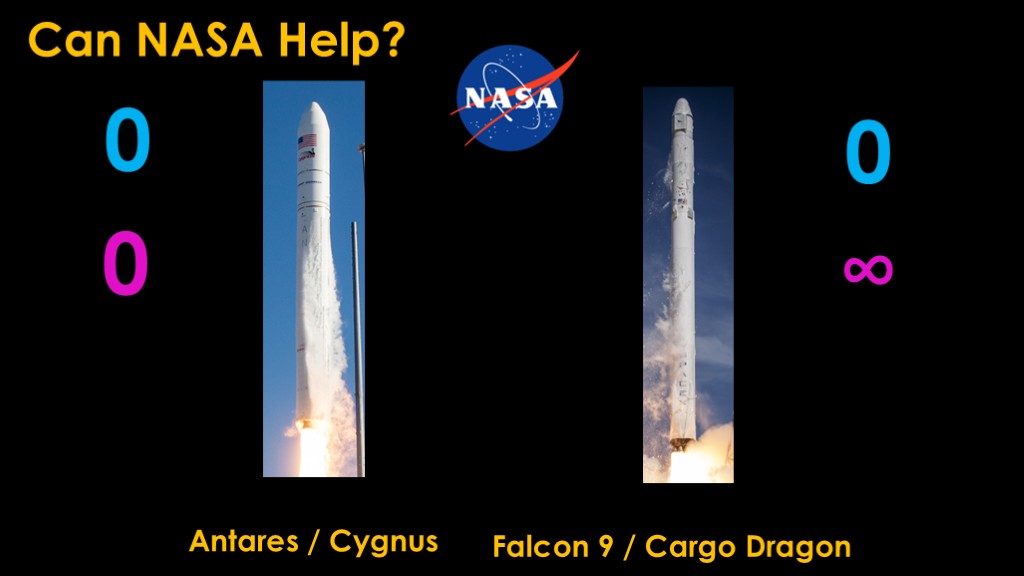
Both of these spacecraft have only flow resupply missions to ISS because that is the only market for resupply missions right now - there have been zero commercial resupply flights.
Antares has only flow resupply missions. Falcon 9 has flowing approximately infinity missions, so there's a win there in terms of market competition but it didn't create a new market.
NASA had a specific need that they couldn't buy commercially so they paid two companies to develop and provide a service for them. A good deal for NASA, but no new markets.
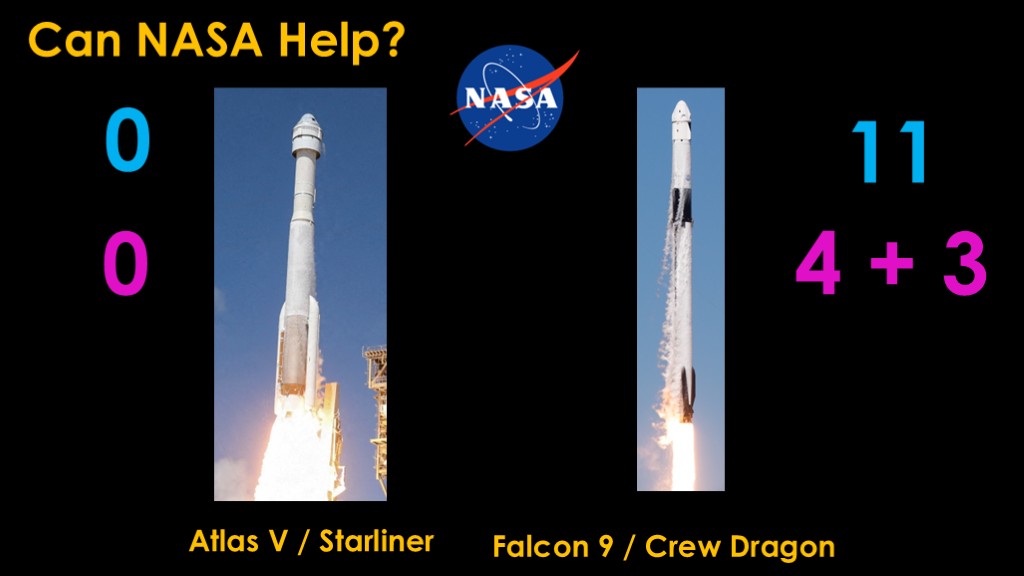
NASA used the same approach for commercial crew, this time with Starliner on Atlas V and Crew Dragon on Falcon 9.
You know the Starliner story - NASA has so far gotten zero operational flights and there have been zero non-NASA flights.
For crew dragon, NASA has flown 11 flights, including the demo flight that got extended to 9 weeks.
They have also flown 4 Axiom missions to ISS and 3 independent missions.
That is an actual new market, and the Axiom missions are a new market that leverages ISS.
This is probably the best example of NASA creating a new market, but it is a tiny market because of the cost.
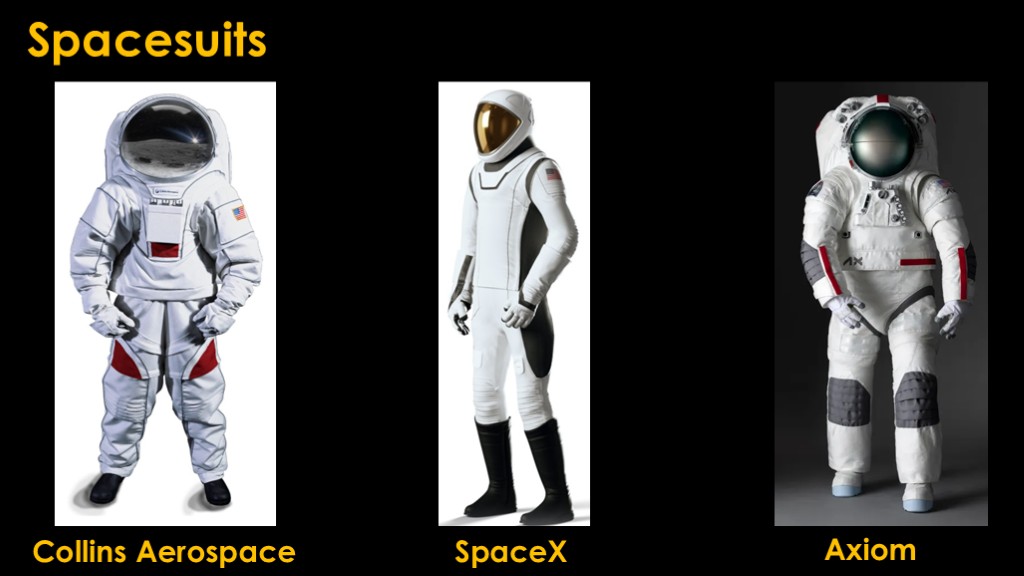
For space suits, NASA followed a firm fixed price model which did not separate development from operations as commercial cargo and crew did.
They awarded Axiom a contract to build a new lunar spacesuit and Collins Aerospace a contract to build a new space station suit.
Collins has since dropped out of the contract, leaving Axiom as the only spacesuit supplier.
There was a possible market for the Collins suit with the Polaris Dawn Crew Dragon flight, but SpaceX elected to build a variant of their current Crew Dragon suit instead.
Space suits are another example of NASA buying something for their own use, not creating a new market.
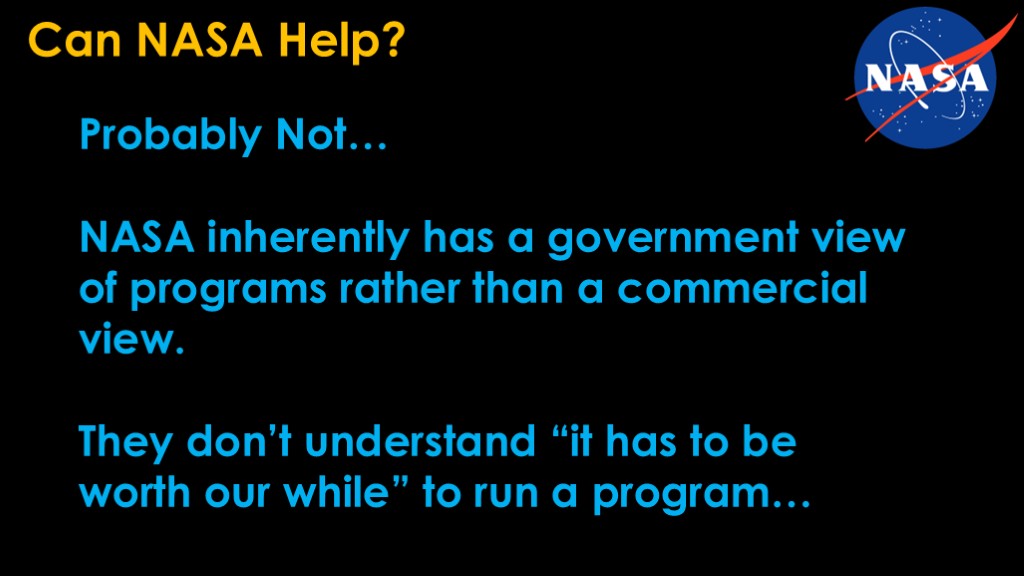
Can NASA help create new markets?
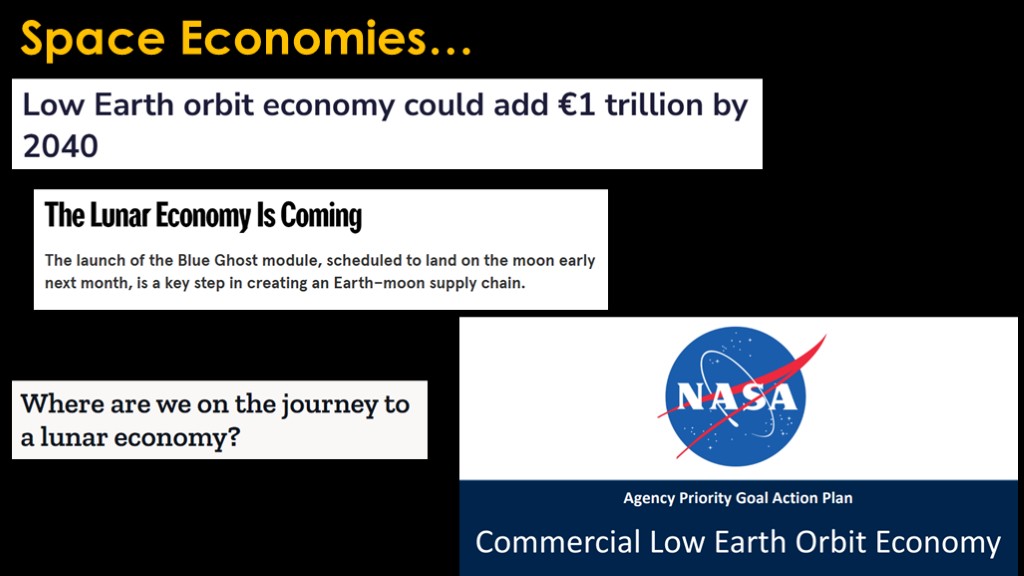
If you've been paying attention, you've probably picked up on the increased use of the word "economy" in relation to spaceflight. You will hear about the low earth orbit economy, the lunar economy, the cis lunar economy, and presumably the L-1 economy, the Mars economy, and the Europa economy.
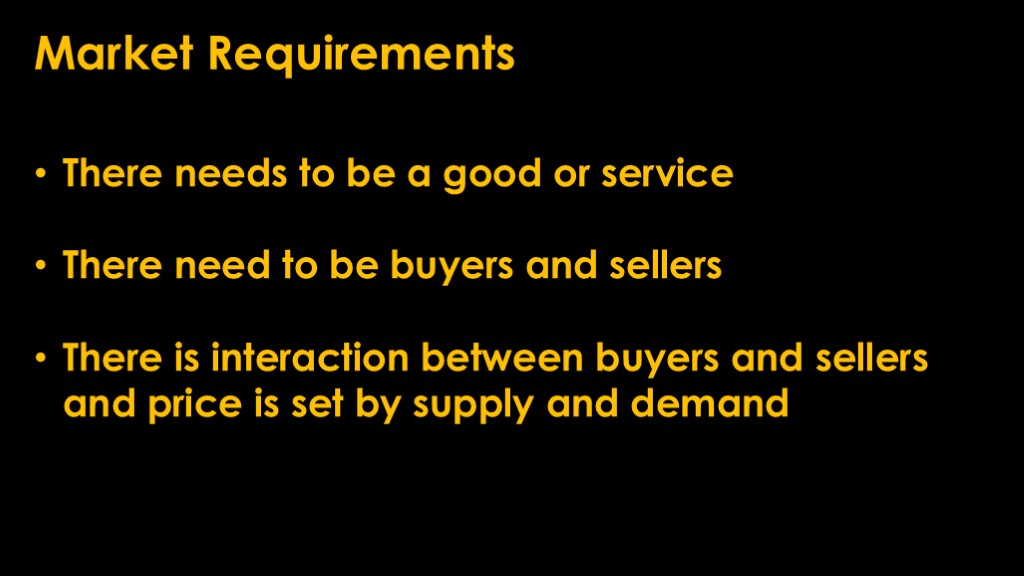
Economies are made up of markets.
A market requires a few attributes to be called a market.
First, there needs to be a good or service, and that means that somebody needs to be willing to supply the good or service.
Second, there need to be buyers and sellers.
Third, there needs to be interaction between buyers and sellers and a price that is set by supply and demand.
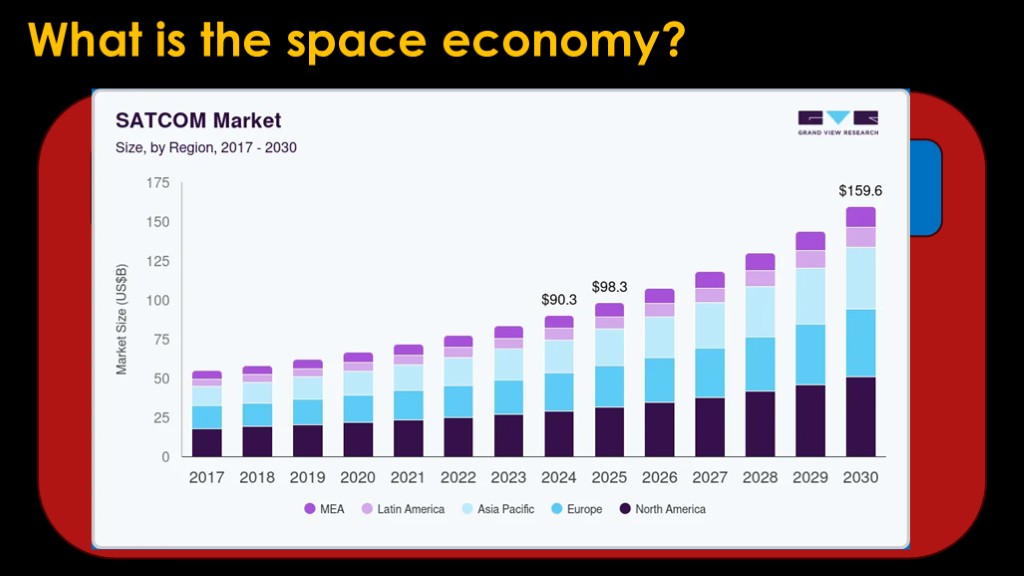
The space economy is a grouping of space markets that have some relationship to each other.
There is communication, which is the largest component.
There is earth observation, both from the commercial side and from the military side, which is another large component. And then there's the science side, the market for building spacecraft that do scientific exploration. And there's the launch market which gets those spacecraft to where they need to go.
These are all solid markets, and you can tell they are solid markets because there are companies that make their money analyzing those markets and selling their analysis to others.
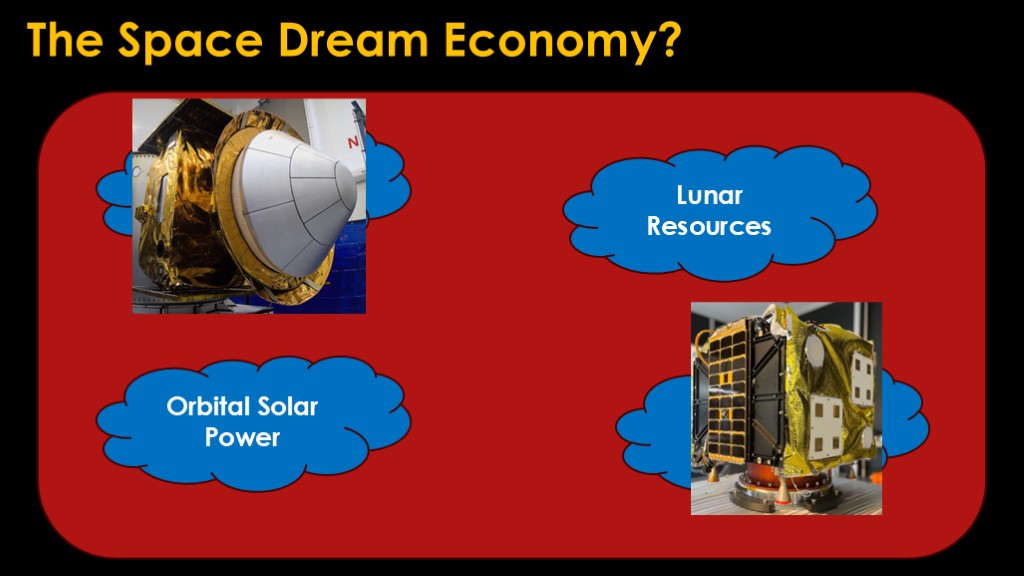
The space dream economy is composed of things like space manufacturing, lunar resources , orbital solar power, and asteroid mining.
These show up in the "space economy" classification because there is no existing market and there are significant obstacles to understanding the economics of doing such an endeavor.
In other words, "space economy" is a collective label for a bunch of very speculative things that might someday have a real market.
There are companies doing very early exploration of markets. Varda is doing a very small investigation to see if there's a market in space manufacturing (and testing), and AstroForge is doing the same thing with asteroid mining.
They are both starting with the minimal amount of funding that they need to determine if their approach might work.
Just as the emperor has no clothes, the space economy has no markets.
If it's a real commercial thing that companies make money on, it's not a space economy thing, it's a specific market that is well defined.
If it doesn't have a new market, it's part of the "space economy".
And the space economy allows you to assert that you are doing something that is going to be big without needing to be specific.
In summary, if you want your big dreams to come true, you'll need to figure out the details of how companies can make money off them.
That's all for this video.
Your music selection for today is Steve Miller's "Take the Money and Run" off of his 4x platinum 1976 release "Fly like an eagle".